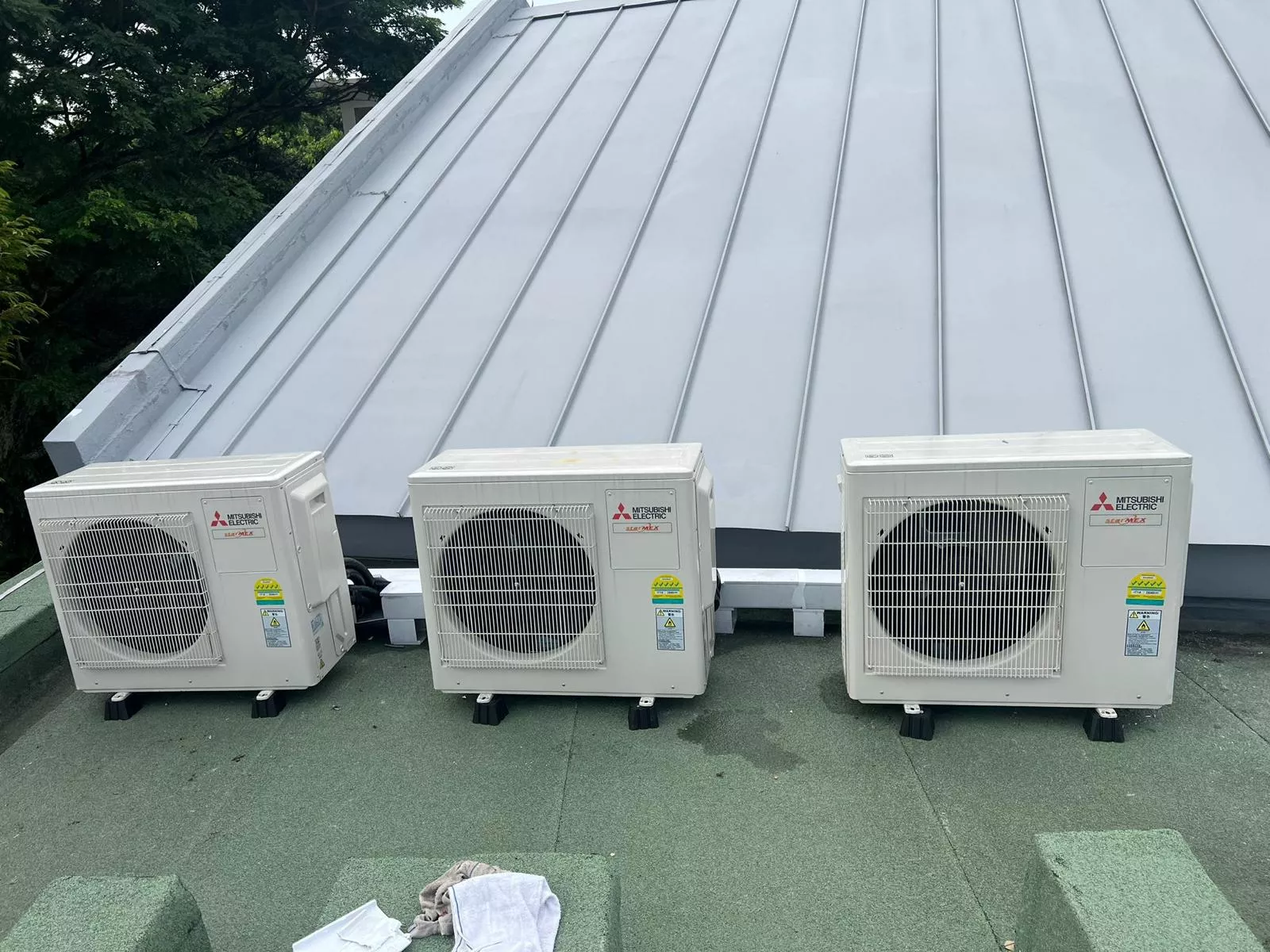
Mitsubishi Electric Starmex units cost SGD 900–1,400 per unit installed for typical System 2 or 3 setups in Singapore HDB and condo homes—roughly 15–35% more than mid-tier brands like Midea or Haier. You're paying for proven reliability (average lifespan 12–15 years versus 8–10 for budget brands), quieter operation (19–22 dB versus 24–28 dB), and better energy efficiency (ticks 4–5 versus 3). If you keep your aircon for 10+ years and run it daily, the premium pays back through lower electricity bills and fewer breakdowns.
What You're Actually Paying For
Mitsubishi Electric Starmex isn't just marketing. The premium comes from measurable engineering differences we see during installation and servicing.
Build Quality and Component Grade
Starmex compressors are designed and tested in Japan, with tighter manufacturing tolerances. The copper piping is thicker (0.8 mm versus 0.6 mm in budget units), which matters in Singapore's high-humidity environment where corrosion accelerates. The PCB boards use conformal coating to resist moisture—critical for ground-floor units or homes near the coast. We've opened hundreds of units over the years, and Starmex internals consistently show less oxidation and cleaner solder joints after five years of use.
Energy Efficiency That Shows Up on Your Bill
Most Starmex models carry 4- or 5-tick NEA energy labels. A 9,000 BTU Starmex (System 2) typically draws 620–680 W under full load, versus 750–820 W for a 3-tick competitor. Running six hours daily, that's roughly 47–73 kWh saved per month, or SGD 13–20 at Singapore's average residential tariff (SGD 0.275/kWh as of 2025). Over ten years, the energy savings alone recover SGD 1,560–2,400 of the upfront premium.
Noise Levels
Starmex indoor units measure 19–22 dB on low fan speed, comparable to a whisper. Budget brands sit at 24–28 dB, which sounds minor but is perceptibly louder in bedrooms. The compressor design and fan blade geometry account for most of the difference. If you're sensitive to noise or installing in a master bedroom, this matters more than any spec sheet suggests.
Real-World Performance in Singapore Conditions
Singapore's 80%+ humidity, frequent afternoon rain, and 24/7 usage patterns stress aircon components harder than temperate climates. Starmex units handle these conditions better than most.
Humidity and Mould Resistance
Starmex models include anti-bacterial filters and auto-dry functions that run the fan for 15–20 minutes after compressor shutdown, evaporating residual moisture from the evaporator coil. This reduces mould growth inside the unit. We see noticeably less black mould buildup during routine servicing on Starmex units compared to budget brands after the same 12-month interval.
Cooling Speed and Temperature Hold
A 12,000 BTU Starmex cools a 150 sq ft bedroom from 30°C to 24°C in roughly 8–10 minutes under typical afternoon heat. Equivalent mid-tier units take 12–15 minutes. The inverter compressor ramps faster and holds setpoint temperature within ±0.5°C, versus ±1–1.5°C for non-inverter or cheaper inverter systems. You'll notice this as fewer temperature swings and less compressor hunting.
High-Floor and Windy Location Performance
For units above the 15th floor or exposed to strong wind (common in newer condos with floor-to-ceiling windows), Starmex condensers maintain stable operation better. The fan motors have higher torque, and the control logic compensates for wind-induced pressure fluctuations. We've replaced fewer Starmex condensers on high floors compared to budget brands that struggle with wind affecting heat exchange.
Cost Breakdown: Starmex vs Alternatives
Here's what you'll actually pay in Singapore for comparable setups, including standard installation (up to 5 m piping per indoor unit, typical HDB/condo runs).
| Configuration | Starmex | Daikin/Panasonic | Midea/Haier |
|---|---|---|---|
| System 2 (2x 9k BTU) | SGD 2,600–3,200 | SGD 2,400–2,900 | SGD 1,900–2,400 |
| System 3 (3x 9k BTU) | SGD 3,800–4,600 | SGD 3,500–4,200 | SGD 2,800–3,500 |
| Single-split 12k BTU | SGD 1,100–1,400 | SGD 1,000–1,300 | SGD 750–1,000 |
| System 5 (5x 9k BTU) | SGD 6,200–7,500 | SGD 5,800–7,000 | SGD 4,500–5,800 |
Prices assume R32 refrigerant (standard since 2020), wall-mounted indoor units, and no special requirements like concealed trunking or MCST-mandated condenser cages. Add SGD 150–250 per unit for chemical overhaul during first install if you're replacing old R22 units with contaminated piping.
Servicing and Repair Costs
Routine servicing costs are identical across brands—SGD 60–80 per indoor unit for general cleaning, SGD 120–150 for chemical overhaul. Where Starmex saves you money is repair frequency and part availability. Over a ten-year lifespan, budget units average 2–3 compressor or PCB failures; Starmex units average 0–1. A compressor replacement costs SGD 450–750 depending on capacity. Mitsubishi Electric parts are widely stocked in Singapore, so repair downtime is typically 1–2 days versus 5–10 days for niche brands.
When Starmex Makes Sense (and When It Doesn't)
The premium is justified in specific scenarios. Here's the honest breakdown.
You Should Buy Starmex If:
- Long-term ownership: You plan to stay in your home 8+ years. The energy savings and lower repair costs compound over time.
- Daily heavy use: Running aircon 6+ hours daily, especially overnight. Reliability and efficiency matter more than upfront cost.
- Bedrooms and quiet zones: The 19–22 dB noise floor is genuinely quieter for light sleepers.
- High floors or coastal locations: Better corrosion resistance and wind performance extend lifespan in harsh conditions.
- Resale value: For condos and landed properties, premium aircon brands add marginal resale appeal (buyers notice during viewings).
Skip Starmex and Save Money If:
- Rental properties: Tenants won't pay more rent for Starmex, and you'll replace units every 8–10 years regardless. Go mid-tier.
- Spare rooms and low usage: Guest rooms or study rooms used <3 hours daily don't justify the premium.
- Tight budget: If the SGD 600–1,200 extra for a System 2/3 strains your budget, a reliable mid-tier brand like Daikin or Panasonic offers 80% of the benefit at lower cost.
- Short-term stay: Selling your home within 3–5 years means you won't recover the premium through energy savings.
Common Issues and What to Watch For
Starmex units are reliable, but no aircon is bulletproof. Here's what we've seen in the field.
Drainage Pipe Blockages
Like all aircons in Singapore, Starmex units accumulate algae and dust in drainage pipes. This isn't a design flaw—it's physics. The auto-dry function helps but doesn't eliminate the need for servicing every 6–9 months. Blockages cause water leaks, usually fixable in 30 minutes during a standard service call.
Compressor Noise After 7–10 Years
Older Starmex units (2015–2018 models) occasionally develop slight compressor hum as bearings wear. Still quieter than budget brands, but noticeable if you're upgrading from near-silent operation. This is normal aging; replacement is only necessary if noise exceeds 35 dB or cooling drops.
R410A vs R32 Refrigerant
Starmex transitioned fully to R32 by 2020. R32 is 10% more efficient and has lower global warming potential. If you're buying used or older stock, confirm refrigerant type—R410A units are still serviceable but slightly less efficient. Avoid R22 units entirely; they're obsolete and refrigerant is expensive and scarce in Singapore.
Installation and Warranty Considerations
Mitsubishi Electric offers a standard 5-year compressor warranty and 1-year parts warranty when installed by authorised dealers. Always verify your installer is authorised—grey-market units or parallel imports void warranty. Registration must be completed within 30 days of installation via Mitsubishi Electric's Singapore website.
HDB and MCST Requirements
Starmex condensers meet HDB and most MCST noise and aesthetic guidelines. For HDB, ensure the condenser bracket is installed on the designated ledge (not drilled into external walls without HDB approval). For condos, check if your MCST requires condenser cages or specific mounting heights—these add SGD 100–200 per unit but are mandatory in some developments.
Piping and Electrical Work
Starmex multi-split systems require proper refrigerant piping sizing and branch boxes. Undersized piping reduces efficiency by 15–25%. Insist on 1/4-inch and 3/8-inch copper for 9k BTU units, 1/4-inch and 1/2-inch for 12k BTU and above. Electrical work should include a dedicated 20A breaker per outdoor unit. Don't let installers tap into existing bedroom circuits—it trips breakers and voids warranty.
Frequently Asked Questions
How long do Mitsubishi Electric Starmex aircons last in Singapore?
Expect 12–15 years with biannual servicing and typical daily use (6–8 hours). Units in bedrooms with lower usage can reach 16–18 years. Coastal or high-humidity environments may reduce lifespan to 10–12 years. Budget brands typically last 8–10 years under the same conditions.
Is Starmex better than Daikin or Panasonic?
All three are top-tier. Starmex edges ahead in noise levels (19–22 dB versus 21–24 dB for Daikin) and anti-mould features. Daikin has slightly better brand recognition for servicing (more technicians trained on Daikin). Panasonic falls between the two. Performance differences are marginal; choose based on price and installer quality.
Can I buy Starmex aircon online and install it myself?
Technically possible but not recommended. DIY installation voids the 5-year compressor warranty, and improper refrigerant charging reduces efficiency by 20–40%. Vacuum pumps, torque wrenches, and refrigerant gauges cost SGD 800+, negating any savings. Use an authorised installer to preserve warranty and ensure proper setup.
What's the energy cost difference between 4-tick and 5-tick Starmex?
A 5-tick 9k BTU Starmex draws roughly 60–80 W less than a 4-tick model under full load. Over 2,000 hours annual use (typical for bedrooms), that's 120–160 kWh saved, or SGD 33–44 yearly. The 5-tick model costs SGD 100–150 more upfront, so payback is 3–4 years. Worth it if you run aircon nightly.
Do Starmex aircons work well in older HDB flats?
Yes, but older flats (pre-2000) often have R22 piping and weaker electrical circuits. Budget SGD 120–180 per unit for chemical flushing to remove R22 residue, and verify your DB board can handle 20A per outdoor unit. Starmex performs identically in old and new flats once installation is done correctly.
Our Take After Installing Hundreds of Units
Mitsubishi Electric Starmex is the aircon we recommend to family and friends who ask for a "fit and forget" option. The premium is real—SGD 600–1,200 more for a typical home—but so is the payback through energy savings, fewer repairs, and longer lifespan. If you're staying put for 8+ years and run aircon daily, Starmex justifies the cost. For rental units or low-use rooms, save the money and go mid-tier.
We install and service all major brands, but we're not trying to upsell you. If Starmex fits your budget and usage profile, it's the safe choice. If it doesn't, Daikin and Panasonic deliver 85% of the performance at 15–20% less cost. Need honest advice for your home? WhatsApp us at +65 9107 2601. We'll run through your layout, usage, and budget, and recommend what actually makes sense—not what earns us the highest margin. Free 9-point pre-check before any work, transparent pricing, and 90-day workmanship warranty. Same-day service available for most HDB and condo units.