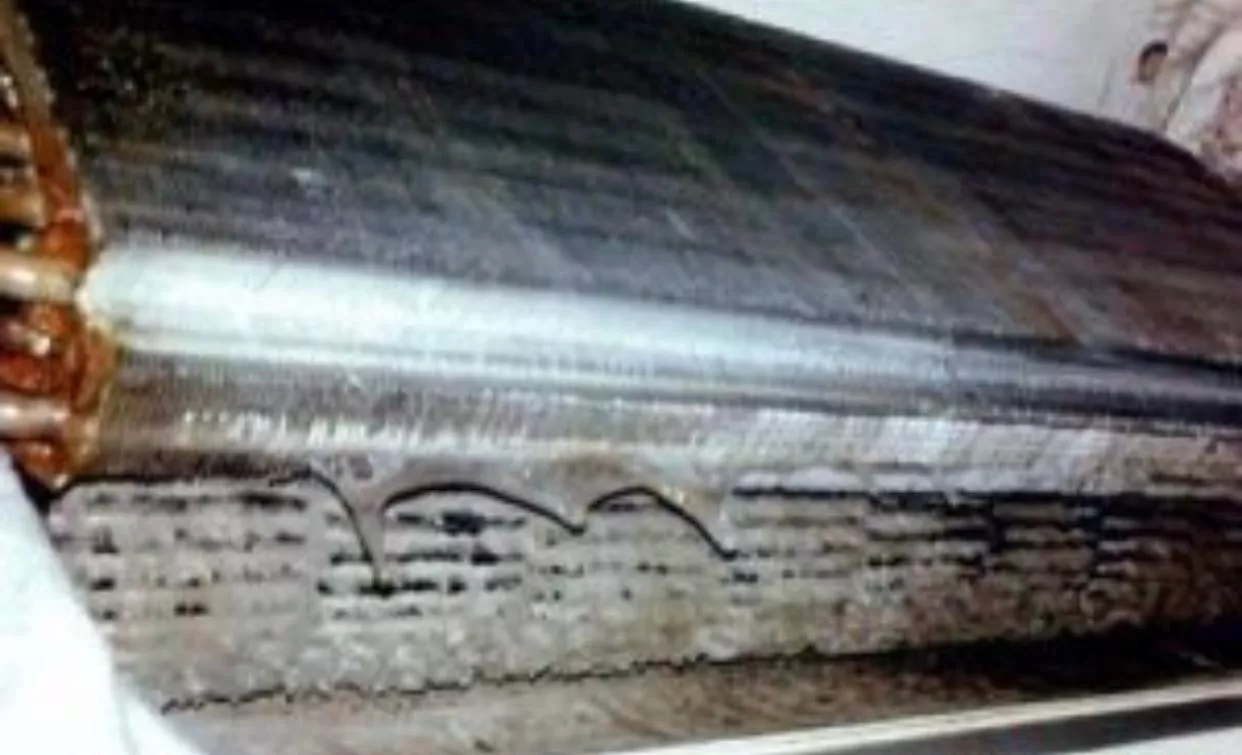
When your aircon is running but not cold enough, start with three checks: (1) clean or replace the filter—clogged filters block 30–40% of airflow; (2) set thermostat to 22–24°C and wait 15 minutes; (3) inspect the outdoor condenser for debris or blockage. If the unit still blows warm air, you likely need refrigerant top-up ($80–$120 for R410A, 1–2 units) or a chemical wash ($100–$180 per unit). In Singapore's 80%+ humidity, a poorly cooling aircon often signals low gas pressure or a dirty evaporator coil.
What 'Not Cold Enough' Actually Means
Before you troubleshoot, define the problem. An aircon that used to reach 22°C but now struggles to go below 26°C is different from one that blows room-temperature air. Measure the supply-air temperature at the discharge grille with a cheap infrared thermometer (available at hardware shops for under $20). A healthy split-system aircon in Singapore should deliver supply air 10–14°C below room temperature when set to 22°C. If the delta is less than 8°C, you have a cooling deficit.
Common Symptoms and What They Point To
- Blows cool air initially, then warms up after 20–30 minutes: Frozen evaporator coil, usually caused by blocked filter or low refrigerant.
- Runs continuously but never reaches set temperature: Undersized unit for the room, refrigerant leak, or compressor wear.
- Outdoor unit silent or cycles on/off every few minutes: Compressor fault, capacitor failure, or electrical issue.
- Air volume weak even when fan set to high: Clogged blower wheel, blocked drain pan, or failed fan motor.
Step-by-Step Checks You Can Do in 15 Minutes
These are the same first checks any technician will perform. Doing them yourself can either solve the problem or give you a clearer picture when you call for service.
1. Inspect and Clean the Air Filter
Flip open the front panel of your indoor unit. Pull out the mesh filter. If it's grey with dust or you can't see light through it, it's restricting airflow. Rinse under a tap, shake off excess water, and let it dry for 10 minutes in the sun or use a cloth. A clogged filter is the single most common cause of weak cooling—responsible for roughly 40% of 'not cold enough' complaints we see. If your filter hasn't been cleaned in over two months, this is your problem.
2. Check the Thermostat and Remote Settings
Ensure the remote is set to 'Cool' mode (snowflake icon), not 'Dry' or 'Fan'. Set temperature to 22°C. If you have a wired wall controller, verify it matches the remote. Some older units have a physical dial or slide switch behind the front panel—check that it hasn't been nudged to a warmer setting. Wait 15 minutes. If the room temperature drops even 1–2°C, the system is working; it may just need more time or a lower setpoint.
3. Inspect the Outdoor Condenser Unit
Go outside. The condenser (the boxy unit on your ledge or common corridor) should have a spinning fan and warm air blowing out. If the fan is stationary or the unit is silent, you have an electrical or compressor issue. Check for:
- Leaves, plastic bags, or laundry blocking the condenser fins
- Heavy dust or oily grime on the fins (common near kitchens)
- Visible ice on the copper pipes or compressor body (sign of refrigerant problem)
For HDB units, you can gently hose down the condenser fins from the outside using low pressure—do not use a jet wash, as it bends the fins. For condo units on high floors, you may need MCST-approved access or a licensed contractor to clean safely.
4. Check for Water Leaks or Overflowing Drain Pan
Lift the front panel and look at the base of the indoor unit. If you see standing water or the drain pan is full, the drain pipe is blocked. A flooded evaporator tray can trigger a safety cutoff that reduces compressor run time, leading to poor cooling. You can try flushing the drain pipe with a small amount of water or using a wet-dry vacuum to suck out the blockage from the outdoor drain outlet. If water continues to accumulate, the drain needs professional clearing.
When DIY Checks Aren't Enough: Diagnosing Refrigerant and Mechanical Issues
If filters are clean, settings correct, and the outdoor unit runs normally but cooling remains poor, the issue is internal—refrigerant level, compressor performance, or a faulty component.
Low Refrigerant: The Most Common Hidden Problem
Refrigerant doesn't 'run out'—it's a closed-loop system. If gas is low, there's a leak. Small leaks (from flare joints, valve cores, or micro-cracks in the evaporator) are common in units over five years old, especially in coastal or high-humidity areas where corrosion accelerates. Signs of low refrigerant:
- Ice forming on the copper suction line (the thicker, insulated pipe) near the indoor unit
- Compressor runs continuously but cooling is weak
- Outdoor unit feels unusually cool instead of warm
A gas top-up costs $80–$120 for R410A (1–2 units) or $60–$100 for older R22 systems. The technician should always pressure-test for leaks before refilling. If a leak is found in the evaporator coil, repair can cost $180–$350 depending on accessibility; if the leak is in a flare nut, repair is $30–$60. Topping up gas without fixing the leak wastes money—you'll be back in six months.
Dirty Evaporator Coil
Even if the filter is clean, the aluminum fins inside the indoor unit accumulate a sticky layer of dust, mould, and nicotine (in smoking households). This invisible barrier reduces heat exchange efficiency by 20–30%. A chemical wash—where the technician dismantles the front casing, removes the blower, and sprays coil cleaner onto the evaporator—restores cooling performance. Cost: $100–$180 per unit. You'll notice an immediate improvement in both cooling speed and air volume. We recommend chemical wash every 18–24 months for typical HDB use, or annually if you run the aircon 10+ hours a day.
Compressor or Capacitor Failure
If the outdoor unit hums but the compressor doesn't start, the run capacitor may be dead. Capacitor replacement is $50–$80. If the compressor itself has failed (usually after 8–12 years of heavy use), replacement costs $400–$700 depending on capacity (9k–24k BTU). At that point, many owners opt to replace the entire system rather than repair, especially if the unit uses R22 refrigerant, which is being phased out.
Cost Summary: What Each Fix Will Run You
| Issue | Typical Cost (SGD) | Time to Fix |
|---|---|---|
| Standard servicing (cleaning, filter, basic check) | $45 (1 unit), $70 (2 units), $90 (3 units) | 30–45 min |
| Chemical wash (per unit) | $100–$180 | 60–90 min |
| Gas top-up R410A (1–2 units) | $80–$120 | 20–40 min |
| Gas top-up R22 (older systems) | $60–$100 | 20–40 min |
| Leak detection and minor repair | $30–$150 | 30–60 min |
| Capacitor replacement | $50–$80 | 20–30 min |
| Compressor replacement | $400–$700 | 2–3 hours |
| Drain pipe clearing | $30–$60 | 15–30 min |
All prices quoted by aircons.sg are final. When you request a quote via WhatsApp, the figure you see is what you pay.
How Aircons.sg Handles 'Not Cold Enough' Calls
When you message us on WhatsApp at +65 9107 2601 with a cooling complaint, we'll ask a few questions—how long you've had the unit, when it was last serviced, whether the outdoor unit is running—and book a visit, usually same-day or next-day. Every service booking (minimum $45 for 1 unit) includes our 9-point pre-check:
- Filter and airflow inspection
- Evaporator and condenser coil visual check
- Refrigerant pressure test (suction and discharge)
- Compressor and fan operation
- Electrical connections and capacitor test
- Thermostat and control board function
- Drain system and condensate flow
- Unusual noise or vibration diagnosis
- Temperature delta measurement (supply vs. return air)
After the pre-check, the technician gives you a transparent breakdown. If it's just a dirty filter and routine cleaning, the $45 covers it. If you need gas top-up or chemical wash, we quote on the spot—no hidden fees, no pressure. The $45 minimum is always part of the total bill, not an extra charge. If you choose not to proceed with recommended work, the $45 covers the visit and diagnosis. We also offer a 90-day workmanship warranty: if the same issue recurs within three months due to our work, we'll return and fix it at no additional cost.
Prevention: Keeping Your Aircon Cold Year-Round
Once you've restored proper cooling, a simple maintenance schedule keeps it that way:
- Clean filters every 2–4 weeks if you run the aircon daily. Set a phone reminder.
- Schedule professional servicing every 3–4 months for heavy users (8+ hours/day), every 6 months for moderate use.
- Chemical wash every 18–24 months to deep-clean the coil and prevent mould buildup.
- Check outdoor condenser quarterly for debris, especially after windy weather or nearby renovation.
- Run the aircon on 'Fan' mode for 10 minutes after turning off cooling—this dries the evaporator and reduces mould growth.
In Singapore's humidity, neglecting servicing for more than six months often leads to a 15–25% drop in cooling efficiency. Regular care pays for itself in lower electricity bills and fewer emergency repairs.
Frequently Asked Questions
Why is my aircon blowing air but not cold even after I cleaned the filter?
If the filter is clean but cooling is still poor, the issue is likely low refrigerant, a dirty evaporator coil, or a failing compressor. Low gas pressure is the most common cause in units over three years old. A technician can measure refrigerant levels and pinpoint the problem in 15–20 minutes. Cost to fix ranges from $80 (gas top-up) to $180 (chemical wash).
How do I know if my aircon is low on gas?
Look for ice on the copper suction line near the indoor unit, weak cooling despite the compressor running, or the outdoor unit feeling cool instead of warm. You cannot reliably check refrigerant level without gauges—this requires a technician. Gas top-up with leak check costs $80–$120 for R410A systems in Singapore.
Can I top up aircon gas myself?
No. Refrigerant handling requires a license under Singapore's Environmental Protection and Management Act. DIY top-up kits sold online are illegal for use with split systems and can damage your compressor or void warranties. Professional top-up with proper evacuation and pressure testing costs $80–$120 and takes 20–40 minutes.
How long does it take for an aircon to cool a room?
A properly functioning aircon should drop room temperature by 4–6°C within 15–20 minutes in a typical HDB bedroom (12–15 m²). If it takes longer than 30 minutes or never reaches your set temperature, the unit is undersized, low on refrigerant, or has a dirty coil. In Singapore's climate, expect supply air around 12–16°C when set to 22°C.
Is it worth repairing an old aircon that's not cold, or should I replace it?
If your unit is under 8 years old and the repair is under $200 (gas top-up, chemical wash, capacitor), repair makes sense. If it's over 10 years old, uses R22 refrigerant, and needs a compressor replacement ($400–$700), replacement is more cost-effective. New inverter models (from $650 installed for a 9k BTU system) are 30–40% more energy-efficient and come with 5–10 year compressor warranties.
When to Stop Troubleshooting and Call a Technician
If you've cleaned the filter, checked settings, and inspected the outdoor unit but cooling hasn't improved, further diagnosis requires tools and expertise. Refrigerant testing, electrical checks, and coil inspection are not DIY jobs—mishandling refrigerant or electrical components can be dangerous and is illegal without proper certification in Singapore. A professional visit costs $45 (including the 9-point pre-check and standard servicing for 1 unit) and gives you a definitive answer in under an hour. Delaying the call often turns a $100 fix into a $400 repair as minor leaks worsen or dirty coils corrode.
Aircon not cold enough? Message aircons.sg on WhatsApp at +65 9107 2601 and we'll arrange a same-day visit. Every service booking starts at $45 for 1 unit and includes our 9-point pre-check—refrigerant test, coil inspection, electrical check, and standard cleaning. If additional work is needed, we quote transparently on-site with no hidden fees. All repairs come with a 90-day workmanship warranty. We're the team that actually does the work, so you get straight answers and fair pricing—no surprises. Let's get your aircon cold again.
Also worth reading: how aircon BTU sizing actually works in Singapore — why the floor-area charts mislead here.