The best months to service your aircon in Singapore are April to May and September to October — during the brief lulls between school holidays and peak heat. Technicians have availability within 1–3 days, parts are in stock, and you avoid the June–August rush when booking slots stretch to 2 weeks. The worst time is mid-June through August: demand spikes 40–60%, prices for urgent call-outs can double, and you'll wait longer for both appointments and parts.
Why Timing Your Aircon Servicing Matters in Singapore
Singapore's year-round humidity (80–90%) and near-constant aircon use mean units accumulate dust, mould, and refrigerant stress continuously. Unlike temperate climates with seasonal use, your compressor and blower run 6–12 hours daily, so timing servicing around demand peaks — not weather — is the strategy that saves money and stress.
Servicing during peak months (June–August) means:
- Longer wait times: 7–14 days for standard bookings versus 1–3 days off-peak
- Higher urgent call-out fees: $80–$120 surcharge for same-day service when your unit breaks down in a heatwave
- Parts scarcity: Common components (fan motors, capacitors, thermistors) go on backorder; compressor replacements can take 3–4 weeks
- Rushed workmanship: Technicians juggle 8–10 jobs daily instead of the usual 5–6, increasing the chance of missed issues
Off-peak servicing gives you leverage: technicians have time for thorough diagnostics, you negotiate better rates for multi-unit packages, and if an unexpected repair surfaces during the 9-point pre-check (included with every service booking), parts arrive within 2–3 days instead of two weeks.
Best Months to Service Your Aircon (and Why)
April to May: The Pre-Holiday Sweet Spot
April and May sit after the March school holidays and before the mid-year break. Residential demand is moderate, weather is warm but not scorching (average 28–31°C), and most HDB and condo residents haven't yet panicked about breakdowns. Technician availability is good: aircons.sg typically offers same-day or next-day slots, and the 9-point pre-check included with your $45 minimum service booking will catch filter clogs, refrigerant pressure drops, and drainage issues before they escalate into emergency repairs in July.
Commercial clients also book less aggressively in April–May; office fit-outs and retail ACMV commissioning ramp up closer to year-end, so residential jobs get priority scheduling.
September to October: Post-Peak Recovery
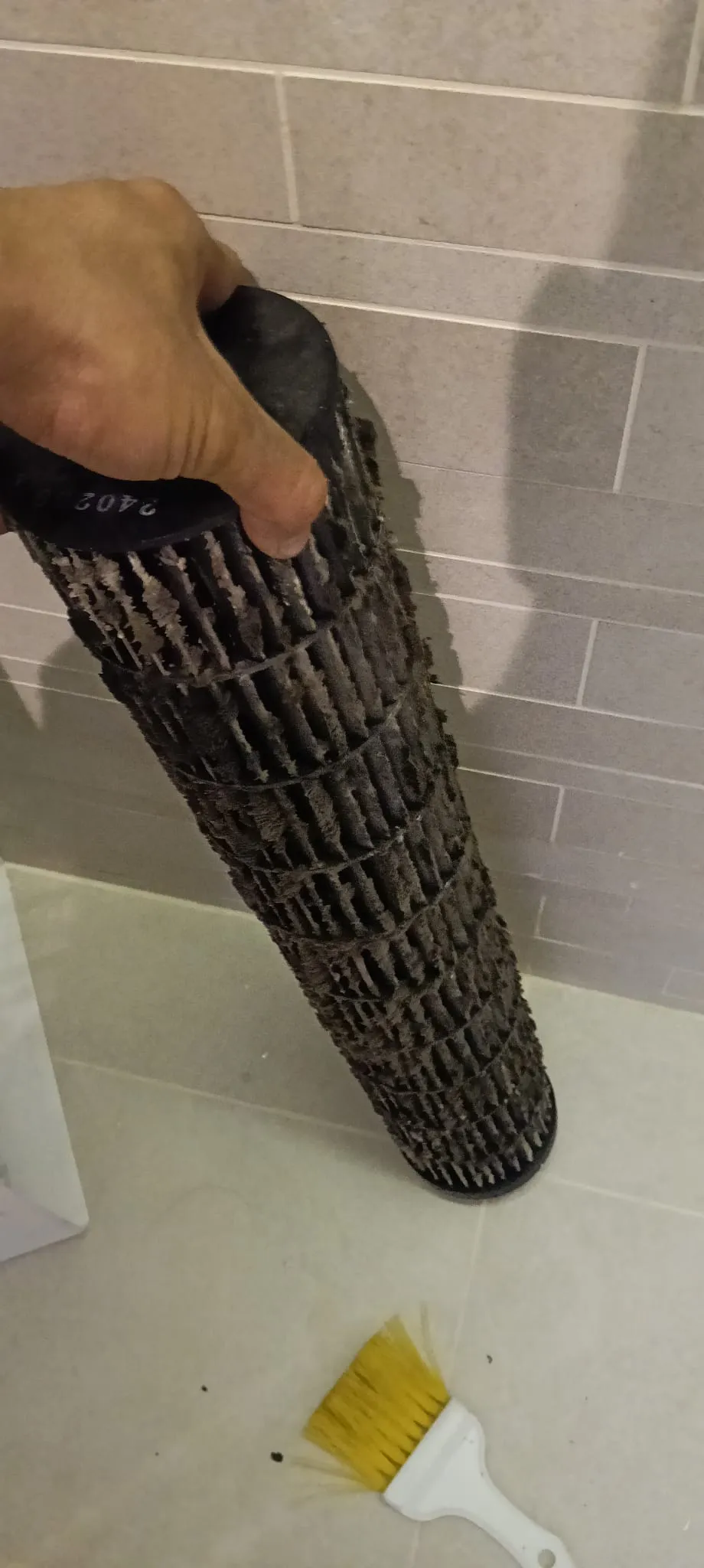
After the August peak, September and October see demand taper. Schools reopen, families return from holidays, and the initial rush subsides. This window is ideal for chemical overhaul servicing (dismantling and deep-cleaning the blower, evaporator, and drain tray) because:
- Technicians have 3–4 hours per unit instead of rushing a 90-minute standard service
- Parts restocked after the June–August crunch are readily available
- You can schedule multiple units (HDB 4-room with three aircons, for example) on the same day without competing for slots
October also aligns with the tail end of the September–October inter-monsoon: slightly cooler evenings mean you can tolerate a unit being offline for a half-day chemical wash without sweating through the night.
November to February: Acceptable but Not Ideal
November through February is workable but not optimal. The December school holidays bring a mini-spike (families at home running aircons 12+ hours daily discover problems), and Chinese New Year (late January or early February in 2026) triggers another rush as homeowners spring-clean and service units before guests arrive. Expect 3–5 day lead times in December and the week before CNY. Pricing remains stable — aircons.sg holds the $45 minimum for one unit regardless of season — but slot availability tightens.
Worst Months to Service Your Aircon
June to August: The Perfect Storm
Mid-June through August is peak season for aircon breakdowns and servicing demand. Three factors collide:
- School holidays: Kids at home, aircons running all day, units that limped through April suddenly fail under sustained load
- Hottest months: May–June and July–August see daily highs of 32–34°C with overnight lows barely dipping below 27°C; compressors and thermostats work overtime
- Year-on-year neglect: Homeowners who skipped the April service window now face clogged filters, low refrigerant, and seized fan bearings — all surfacing simultaneously
During this period, urgent call-outs for non-cooling units can cost $80–$150 just for the visit, before any repair work. Standard servicing bookings stretch to 10–14 days unless you pay a premium. If your compressor fails in late July, replacement lead time (especially for older R22 units or specific Mitsubishi/Daikin models) can hit 3–4 weeks because wholesalers run low on stock.
March and December School Holidays
March and December holidays create smaller but real demand spikes. Families travel (less daily use) but also discover problems when they return to a musty-smelling unit or water pooling under the indoor unit. Technicians field more diagnostic calls, which eat into routine servicing slots. December compounds this with CNY prep: expect 4–7 day waits if you book in the last two weeks of December or first week of January.
How Servicing Frequency and Timing Interact
Your servicing schedule should flex with usage intensity and unit age. Here's a reference table for Singapore conditions:
| Usage Pattern | Standard Servicing Frequency | Best Months to Book | Chemical Wash Frequency |
|---|---|---|---|
| Light use (evenings, weekends only, <4 hrs/day) | Every 4–6 months | April, October | Once every 18–24 months |
| Moderate use (daily 6–8 hrs, typical HDB/condo bedroom) | Every 3 months | April, July, October, January | Once every 12 months |
| Heavy use (24/7 or near-continuous, bedrooms with sleepers, server rooms) | Every 6–8 weeks | Any off-peak month; stagger units | Every 6–9 months |
| Commercial (retail, office, 10+ hrs/day, high foot traffic) | Monthly to bi-monthly | Avoid June–Aug and Dec; rotate units | Every 6 months |
If you service in April and again in October, you sidestep both the June–August crunch and the December–January mini-spike. For moderate-use units, adding a July service might seem counterintuitive (peak month), but if you book early — say, in May for a late-June or early-July slot — you lock in availability before the rush and catch filter buildup before it chokes airflow during the hottest stretch.
Aligning Servicing with the 90-Day Workmanship Warranty
aircons.sg provides a 90-day workmanship warranty on all repairs and servicing. If you service in April, the warranty runs through early July — covering you into the peak breakdown season. Any issue that surfaces (a gasket that wasn't seated, a drain hose that works loose) gets fixed without additional callout fees. Servicing in October extends warranty through January, bracketing the CNY period when you're running units heavily for guests.
What to Expect During Off-Peak Versus Peak Servicing
Off-Peak (April–May, Sept–Oct): The Full Experience
When you book during off-peak months, the 9-point pre-check included with your service booking is thorough and unhurried:
- Filter inspection and cleaning: Technician removes, washes, and dries filters; checks for frame cracks
- Evaporator coil inspection: Visual check for mould, fin corrosion, and dust caking; light brushing if accessible without dismantling
- Condensate drain test: Pour water through the tray, confirm gravity flow or pump operation, clear minor clogs
- Refrigerant pressure check: Gauge reading at the outdoor unit; compare to spec for R32, R410A, or R22
- Compressor and fan motor: Listen for bearing noise, check capacitor with multimeter, inspect wiring terminals
- Thermostat calibration: Verify set temperature matches discharge air temp within ±1°C
- Outdoor unit cleaning: Hose down condenser fins, remove leaves and debris from fan housing
- Electrical connections: Tighten terminals, check for arc burns or oxidation
- Overall performance test: Run unit through a cooling cycle, measure amp draw, confirm no error codes
If the pre-check reveals a need for gas top-up ($80–$120 depending on refrigerant type and quantity), chemical wash ($100–$180 per unit), or a part replacement (fan motor $150–$250, PCB $180–$350), you get a transparent quote on the spot. The $45 minimum (for one unit standard service) rolls into the total; if you approve the additional work, you're not paying $45 plus the repair separately — the $45 covers the visit, diagnosis, and standard cleaning, and the quote reflects the total job cost.
Peak Season (June–Aug): Compressed Timelines, Higher Urgency Fees
During peak months, the same 9-point pre-check happens, but timelines compress. If a part is needed, you might wait 7–10 days instead of 2–3. Urgent same-day bookings (unit not cooling, bedroom unbearable) carry surcharges: expect $80–$120 on top of the standard $45 minimum, because the technician is squeezing your job between pre-scheduled appointments. The quality of work doesn't drop — aircons.sg technicians follow the same checklist — but the convenience and cost do.
Common Mistakes When Timing Aircon Servicing
Waiting for a Breakdown
The costliest mistake: ignoring routine servicing until the unit stops cooling. A clogged filter that drops airflow by 30% forces the compressor to run longer, icing the evaporator coil, which then floods the drain tray, which overflows onto your floor. What could have been a $45 standard service in April becomes a $180 chemical wash plus a $150 fan motor replacement in July, with a two-week wait for parts. Preventive servicing in off-peak months catches these issues when they're cheap to fix.
Booking All Units on Peak Days
HDB 5-room or condo units with four aircons: booking all of them for servicing on the first Saturday of the June school holidays guarantees a scheduling nightmare. Instead, stagger: service two units in April or May, the other two in September or October. This spreads cost, ensures at least half your units are optimised going into peak heat, and avoids the single-point-of-failure scenario where one technician is rushing through four units in three hours.
Ignoring Refrigerant Phase-Out Timelines
R22 refrigerant (common in pre-2015 units) is being phased out; supply is limited and prices are climbing. If your unit is R22 and you're planning a gas top-up, do it in off-peak months when stock is available. Waiting until July might mean paying 20–30% more or facing a two-week backorder. Better still, if the unit is 12+ years old, use the off-peak service visit to get a realistic quote on replacement versus continued repair — the technician can walk you through lifespan economics without the pressure of a broken unit in a heatwave.
Frequently Asked Questions
Can I service my aircon during the rainy season (Nov–Jan)?
Yes, and it's often a good window. Rain doesn't affect indoor servicing (filter cleaning, blower checks), and outdoor unit work (condenser wash, refrigerant check) can be scheduled around downpours. November and early January see moderate demand, so booking lead times are 2–4 days. Just avoid the week before Chinese New Year when everyone rushes to service.
Is it cheaper to service multiple units at once?
Usually, yes. The first unit costs $45 minimum; additional units on the same visit typically cost $35–$40 each because the technician is already on-site. Booking three units separately over three months costs $135; booking all three together in April costs around $115–$125. Off-peak months give you better leverage to negotiate multi-unit rates since technicians aren't racing between jobs.
What happens if I book in April but my aircon breaks down in July?
If the breakdown is due to a workmanship issue from the April service (a loose connection, a drain hose that wasn't secured), aircons.sg's 90-day warranty covers the return visit and fix at no extra charge. If it's a new issue (compressor failure, refrigerant leak from a different joint), you pay for the diagnostic visit and repair, but having serviced in April means the unit was in good shape going into peak season, reducing the likelihood of a breakdown.
Should I wait for a promotion or book off-peak?
Promotions (CNY packages, mid-year sales) often appear during peak months to drive demand when slots are already tight. A 10% discount in July still means a 10-day wait and higher chance of parts delay. Booking off-peak at standard rates gets you faster service, better workmanship attention, and immediate parts availability — often a better deal than a discounted peak-season slot. aircons.sg pricing is transparent year-round; quoted prices are final with no hidden fees.
How early should I book for April or October servicing?
One to two weeks ahead is plenty for off-peak months. aircons.sg typically has same-day or next-day availability in April and October, but if you're coordinating multiple units or need a specific weekend slot (Saturday morning for condo MCST access), booking a week in advance locks in your preferred time without stress.
Book Your Off-Peak Servicing with aircons.sg
April, May, September, and October are your windows for fast, thorough aircon servicing in Singapore — before the June–August rush and after the peak subsides. Every service booking includes our 9-point pre-check (from $45 for one unit), transparent quoting if additional work is needed, and a 90-day workmanship warranty. We're WhatsApp-first, so no forms or callbacks: message us at +65 9107 2601, tell us how many units and your preferred date, and we'll confirm a slot — often same-day or next-day during off-peak months. Quoted prices are final, no hidden fees, and our technicians are the ones who actually answer your messages. Don't wait for a breakdown in July; book your service now and skip the peak-season wait.
See also: aircon servicing after a renovation - clearing out the dust.