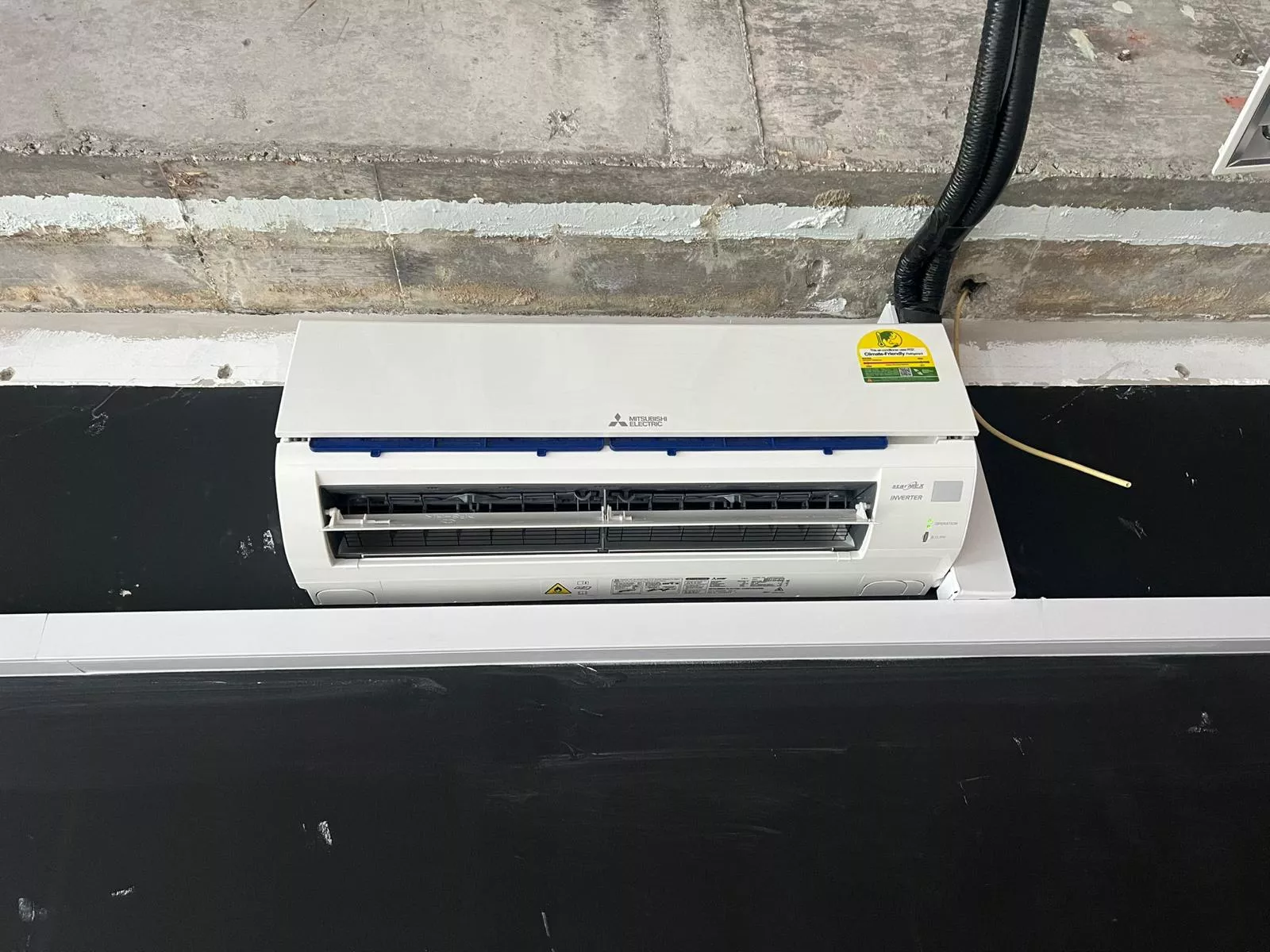
HDB aircon installation requires written approval from your Town Council before you begin. You must install the condenser within your Service Yard or Aircon Ledge (never protruding beyond your flat boundary), use a licensed aircon contractor, and ensure proper drainage to prevent water from affecting neighbours. Unauthorised installations risk fines up to $5,000, removal orders, and insurance voids. This guide covers every rule, the approval process, and what happens if you get it wrong.
What HDB Officially Allows (and What It Doesn't)
HDB's aircon installation rules exist to prevent water seepage, structural damage, and neighbourhood disputes. The key constraints:
Approved Locations for Condenser Units
- Service Yard or Aircon Ledge: The only approved locations. These are designed to bear the condenser's weight and allow proper drainage.
- Not Allowed: External walls, window grilles, balconies (unless specifically designated as an aircon ledge), corridors, or common property.
- High-Floor Units: Flats above the 12th floor may face additional wind-load restrictions; some Town Councils require engineering assessments or limit certain bracket types.
Drainage and Water Discharge
Your condensate drain must discharge into your own floor trap or bathroom gulley. Dripping onto common corridors, void decks, or neighbouring units is illegal and grounds for enforcement action. Most HDB flats built after 1997 have dedicated drainage; older estates may need professional routing during installation.
Structural Alterations
Drilling into load-bearing walls, external façades, or bomb shelter walls without approval is prohibited. You may drill small holes (typically ≤25 mm) for refrigerant piping and electrical conduit, but larger penetrations require HDB's Building Plan Approval.
Noise and Operating Hours
There is no official HDB curfew for aircon operation, but the Environmental Protection and Management Act caps construction and installation noise between 10 p.m. and 7 a.m. on weekdays, and before 3 p.m. on Sundays and public holidays. If your condenser is excessively loud (above ~60 dB at the neighbour's boundary), NEA can issue abatement notices.
The HDB Approval Process: Step-by-Step
Most straightforward installations (condenser in Service Yard, standard bracket, no hacking) do not require formal HDB approval — but you still need Town Council endorsement if you're altering any external fixtures or façade. Here's the reliable approach:
1. Engage a Licensed Aircon Contractor
Use a company registered with BCA (Building and Construction Authority) and holding a valid electrical worker's licence. The contractor will know which installations need formal submission and can handle paperwork on your behalf. Unlicensed installers void your HDB warranty and expose you to enforcement.
2. Submit to Your Town Council (If Required)
If your installation involves:
- External brackets visible from common areas
- Drilling through external walls
- Routing condensate drains across common property
...submit a simple letter or form (each Town Council has its own template) with:
- Your unit number and contact details
- Installation diagram showing condenser placement
- Contractor's company name and registration number
- Proposed start date
Approval typically takes 7–14 working days. Fee ranges from $0 to $50 depending on Town Council.
3. Complete Installation Within Approved Timeline
Most approvals are valid for 3–6 months. If you delay, reapply. Do not start before approval is granted — enforcement officers conduct random audits and neighbours frequently report unauthorised work.
4. Retain Documentation
Keep approval letters, contractor invoices, and warranty certificates. You'll need them if you sell the flat (during HDB resale inspection) or if disputes arise.
Common Installation Mistakes That Trigger HDB Enforcement
| Mistake | Consequence | Typical Penalty |
|---|---|---|
| Condenser mounted outside Service Yard boundary | Removal order within 30 days | Up to $5,000 fine if not rectified |
| Condensate dripping onto common corridor | NEA abatement notice; liability for slip-and-fall accidents | $200–$1,000 fine per offence |
| Unauthorised hacking of bomb shelter wall | Structural safety audit; mandatory reinstatement | $5,000–$20,000 fine + repair costs |
| Using unlicensed contractor | Insurance void; HDB may refuse resale approval | No direct fine, but full reinstallation cost (~$800–$2,500) |
| Excessive noise (>60 dB at boundary) | NEA noise abatement; compressor replacement or relocation | $500–$2,000 per repeated complaint |
Real-World Enforcement Timeline
HDB and Town Councils don't actively inspect every flat, but you'll be caught if:
- A neighbour complains (water drips, noise, visual obstruction)
- You submit resale documents and the buyer's HDB inspection flags unauthorised work
- Routine estate maintenance (repainting, lift upgrades) brings officers to your block
Once flagged, you receive a written notice with 14–30 days to rectify. Ignoring it escalates to legal action and potential prosecution under the Housing & Development Act.
What You Can Do Without Approval (The Safe Zone)
These installations are low-risk and typically do not require Town Council submission:
- Replacing an existing aircon unit in the same location with similar dimensions (no new bracket, no additional hacking)
- Installing a window unit fully within your flat boundary (casement or sliding window models), provided the condenser does not protrude and drainage is internal
- Portable aircon units that vent through a window kit and discharge condensate into a tray or floor trap
- Split-system installations where the condenser sits on an existing, approved aircon ledge and piping follows the original route
Even in these cases, use a licensed contractor. If anything goes wrong — refrigerant leak, electrical fault, water damage — insurance and HDB resale approvals hinge on proper documentation.
Condo and Private Housing: MCST Rules vs HDB Rules
Condominiums operate under Management Corporation Strata Title (MCST) bylaws, which often exceed HDB's requirements:
Key Differences
- Aesthetic Controls: Many MCSTs mandate specific condenser cover designs, colours, or screening to maintain façade uniformity. HDB does not regulate appearance.
- Balcony Restrictions: Some condos prohibit balcony condensers entirely, even if structurally safe. Check your condo's bylaws before purchasing equipment.
- Approval Lead Time: MCST approvals can take 4–8 weeks (requires AGM or council vote). HDB Town Councils are faster (1–2 weeks).
- Reinstatement Bonds: Condos may require a deposit ($500–$2,000) refundable upon satisfactory inspection. HDB does not.
Landed Property
Landed homes (terrace, semi-detached, bungalow) face fewer restrictions but must still comply with:
- URA planning guidelines for building setbacks and gross floor area (if adding a plant room)
- NEA noise limits if condensers are near neighbouring bedrooms
- Licensed contractor requirements for electrical work (Energy Market Authority regulations)
Cost Breakdown: Compliant Installation vs Shortcuts
Doing it right costs marginally more upfront but saves thousands in penalties and reinstallation. Here's the real pricing:
| Item | Compliant Installation (SGD) | Shortcut / DIY (SGD) |
|---|---|---|
| Licensed contractor labour (1 split unit) | $150–$300 | $80–$120 (unlicensed) |
| Bracket, piping, electrical (materials) | $100–$200 | $100–$200 (same) |
| Town Council approval fee | $0–$50 | $0 (skipped) |
| Condensate drain routing (if needed) | $80–$150 | $0 (drips onto corridor) |
| Total upfront | $330–$700 | $180–$320 |
| Penalty + reinstallation (if caught) | $0 | $800–$5,000+ |
The 'savings' from skipping approval evaporate the moment HDB issues a removal order or your resale buyer's lawyer flags unauthorised work.
Frequently Asked Questions
Can I install my own aircon in an HDB flat if I'm handy with tools?
No. Aircon installation involves refrigerant handling (controlled substance under NEA's Environmental Protection and Management Act) and electrical work (requires a licensed electrician under EMA regulations). DIY installations void equipment warranty, violate HDB rules, and expose you to liability if anything fails. Use a licensed contractor every time.
What happens if my neighbour complains about water dripping from my aircon?
HDB or your Town Council will investigate. If condensate is discharging onto common property or another unit, you'll receive a notice to rectify within 14–30 days. Failure to fix it results in fines ($200–$1,000) and potential prosecution. Rectification typically costs $80–$150 to reroute drainage properly.
Do I need approval to replace an old aircon with a new one in the same spot?
Generally no, if you're swapping like-for-like (same location, same bracket type, no new hacking). But you still need a licensed contractor to handle refrigerant recovery and electrical work. Keep the invoice and contractor's licence details for resale documentation. If the replacement is significantly larger or requires new brackets, check with your Town Council first.
Can I install a split-system aircon on my HDB balcony?
Only if the balcony is officially designated as an aircon ledge in your HDB floor plan. Most modern flats (post-2000) have dedicated ledges; older flats do not. Check your HDB Registered Plan or ask your Town Council. Installing on a non-approved balcony leads to removal orders and fines up to $5,000.
How long does Town Council approval take, and can I start installation while waiting?
Approval takes 7–14 working days on average. Do not start before receiving written approval — enforcement officers and neighbours will report ongoing work, and you'll be ordered to stop and remove what you've installed. If you're in a rush, some Town Councils offer expedited processing for an additional fee (~$30–$80).
Get It Done Right the First Time
Aircon installation in an HDB flat isn't complicated if you follow the rules: use a licensed contractor, get Town Council approval when required, keep your condenser within the Service Yard, and route drainage properly. The cost difference between compliant and shortcut installs is $200–$400, but the penalty for getting it wrong is $800–$5,000 plus reinstallation headaches. If you're replacing an old unit, upgrading to an inverter model, or installing for the first time, aircons.sg handles the entire process — contractor licensing, Town Council liaison, proper drainage routing, and a 2-year workmanship warranty so you're covered if anything needs adjustment. Quoted prices are final. WhatsApp us at +65 9107 2601 with your block number and unit type, and we'll give you a transparent quote within the hour. No surprises, no shortcuts, no enforcement letters.
Related: What aircon installation actually costs in Singapore — our published system prices, what they include, and what moves the final figure.