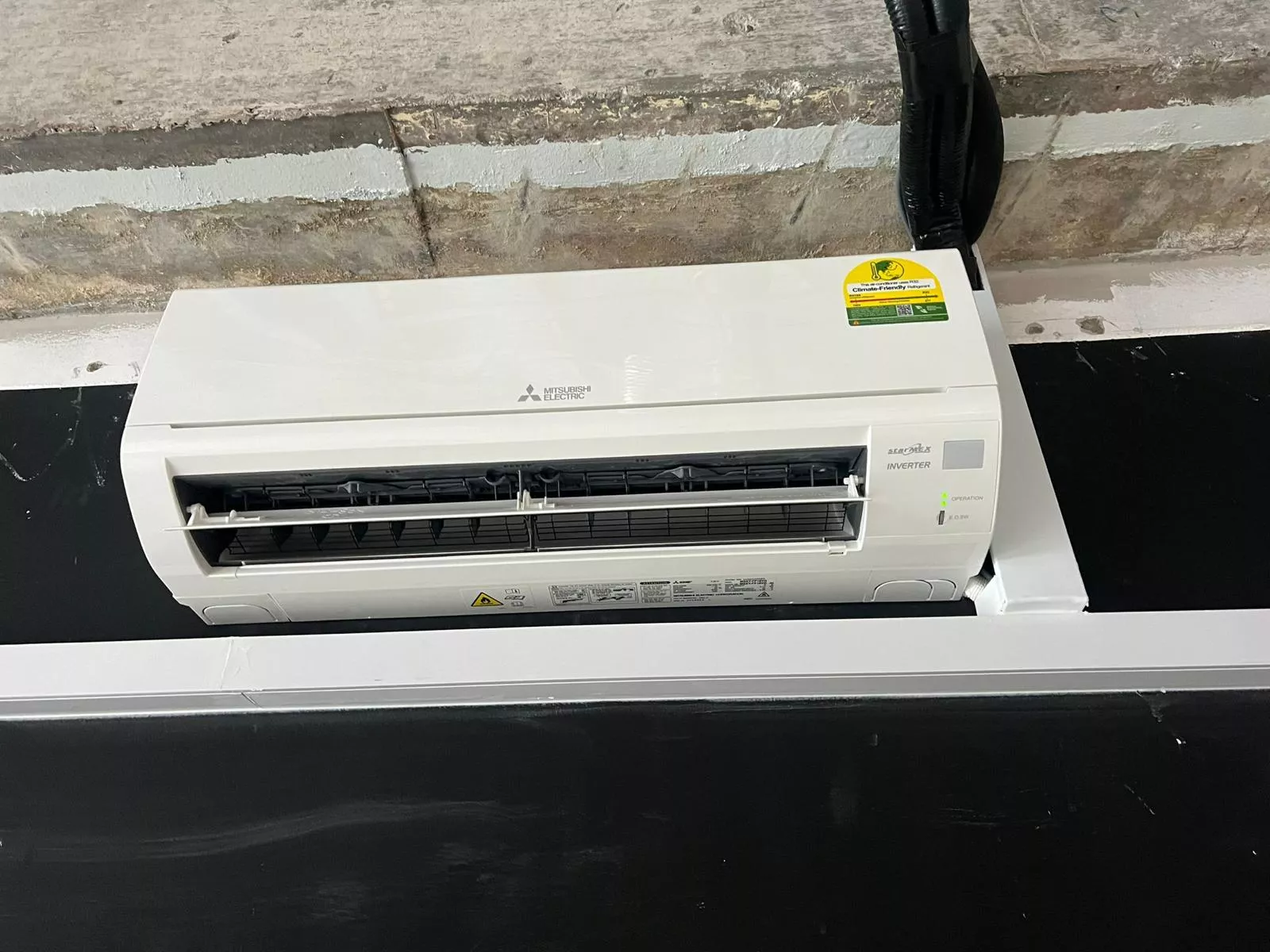
A vinegar or sour smell from your aircon almost always means bacterial growth or organic matter breaking down somewhere in the cooling system. In Singapore's 80%+ humidity, the most common culprits are a clogged condensate drain line, mould or mildew on the evaporator coil, or stagnant water in the drip tray. A standard chemical wash fixes this from $135 per unit; persistent cases need a chemical overhaul from $200. If the smell appears within days of servicing, you've likely got a drain blockage or incomplete cleaning.
Why Aircons Develop Vinegar and Sour Smells
Your aircon produces 0.5–1.5 litres of condensate water per hour in typical Singaporean conditions. That water flows over the evaporator coil, collects in the drip tray, and exits through a narrow PVC drain pipe. When any part of this system slows or clogs, you get stagnant water — and stagnant water breeds bacteria, algae, and mould.
Bacterial and Mould Growth on the Evaporator Coil
The evaporator coil sits in a dark, damp environment. Dust and skin cells settle on the fins, mix with condensation, and form a thin biofilm. Bacteria like Pseudomonas and mould spores thrive here, producing acetic acid and other organic acids — the exact compounds that smell like vinegar or sour milk. If you only do general servicing (no chemical wash), this layer builds up over 6–12 months.
Clogged or Slow Condensate Drain Line
The drain line is typically 13–16 mm PVC pipe running from your indoor unit to a shared waste stack (HDB) or outdoor discharge point (condo, landed). Algae, dirt, and calcium deposits narrow the bore. Water backs up into the drip tray, sits for hours, and turns acidic as organic matter decomposes. This is the single most common cause we see — accounts for roughly 60% of sour-smell callouts.
Dirty or Corroded Drip Tray
Older units (8+ years) often have drip trays with surface rust or dried biofilm that regular servicing doesn't reach. Even if the drain flows, residue in the tray corners breaks down and releases volatile organic acids every time the fan blows over it.
Infrequent Use and Poor Ventilation
Guest-room aircons or units in storerooms that run less than twice a week never fully dry out between cycles. Mould colonises the coil faster. If your unit is in a windowless room with no cross-ventilation, humidity stays near saturation even when the aircon is off, accelerating growth.
How to Diagnose the Source of the Smell
Before calling for paid servicing, you can narrow down the problem with a 5-minute check. This helps you describe symptoms accurately and saves time when the technician arrives.
Visual Inspection of the Drain Outlet
Find where your condensate pipe exits — usually a small PVC pipe near the compressor or along an external wall. Turn on the aircon for 10 minutes in cool mode (16°C, fan speed high). You should see steady dripping. If the drip is slow, irregular, or absent, you have a partial or full blockage. Check for visible algae or black slime at the outlet.
Smell Test at the Air Vents
Stand directly under the indoor unit within 30 seconds of startup. The strongest sour smell appears in the first 1–2 minutes when the fan blows over stagnant moisture on the coil. If the smell fades after 5 minutes, it's surface contamination. If it persists or worsens, the biofilm is deep in the coil fins or drain pan.
Check for Water Leaks or Drips
Water dripping from the indoor unit casing or pooling on the ceiling board means the drip tray has overflowed — definitive sign of drain blockage. You'll often see yellowish or brownish staining around the leak point, caused by dissolved organic acids.
Review Your Servicing History
If you've only had general servicing (filter wash, external wipe-down) in the past 12 months, the evaporator coil has never been chemically cleaned. General servicing costs $45 for 1 unit (less per unit for more units) and does not remove biofilm from coil fins. Chemical wash is required every 12–18 months for odour prevention.
Fixes: What Works and What Each Costs
Most vinegar-smell issues resolve with chemical cleaning or drain flushing. Here's the realistic cost breakdown and what each service actually does.
| Service Type | What It Fixes | Typical Cost | Duration |
|---|---|---|---|
| Drain line flush | Clears algae, restores flow | Quoted after pre-check | 20–30 min |
| Chemical wash | Removes coil biofilm, light mould | from $135 per unit | 45–60 min |
| Chemical overhaul | Dismantles unit, cleans drip tray, fan barrel, all coils | from $200 per unit | 90–120 min |
| Drip tray replacement | Corroded or cracked tray | Quoted after pre-check | 60 min |
| Antibacterial coating | Prevents regrowth for 6–9 months | Quoted after pre-check | +10 min |
Chemical Wash vs Chemical Overhaul: Which You Need
Chemical wash sprays alkaline cleaner onto the evaporator coil in situ, dissolves biofilm, and flushes it through the drain. Effective for units serviced within the past 18 months. Chemical overhaul dismantles the front casing, removes the blower wheel and drip tray, and cleans every component separately. Required if the smell returns within 2–3 weeks of a chemical wash, or if the unit is 5+ years old with no prior overhaul.
DIY Drain Flushing: When It's Safe, When It's Not
You can attempt a DIY flush if you can access the drain pipe outlet and the blockage is near the exit. Use a wet-dry vacuum on the outlet (suction mode) for 30 seconds, or pour 200 ml diluted bleach solution (1 part bleach to 10 parts water) into the drain pan. Do not use drain unblockers (caustic soda) — they corrode aluminium coils and PVC joints. If water still doesn't flow after flushing, the blockage is higher up or inside the unit; call a technician to avoid overflow damage.
Antibacterial and Anti-Mould Coatings
After chemical cleaning, technicians can spray a polymer-based antibacterial coating on the coil. This slows bacterial colonisation for 6–9 months. Worth considering if you run the aircon infrequently (spare bedrooms, study rooms) or if the room has poor ventilation. Not a substitute for regular servicing — biofilm will eventually return.
Prevention: Keeping the Smell From Coming Back
Once you've fixed the immediate problem, a few low-cost habits prevent recurrence. Singapore's humidity means aircons are always at risk; prevention is cheaper than repeated chemical washes.
Quarterly General Servicing, Annual Chemical Wash
For residential units running 6–10 hours daily, schedule general servicing every 3 months and chemical wash every 12 months. If you run the aircon less than 3 hours daily, you can stretch general servicing to 4–6 months, but still do annual chemical wash. Units in kitchens, near gardens, or in dusty areas (construction nearby) need servicing every 8–10 weeks.
Run the Aircon in Fan Mode After Cooling
After turning off cool mode, switch to fan-only mode for 5–10 minutes. This dries residual moisture on the coil and drip tray, starving bacteria of water. Most modern units (Daikin, Mitsubishi post-2018) have an auto-dry function that does this automatically. Older units require manual switching.
Monthly Drain Line Maintenance
Once a month, pour 100 ml of white vinegar or diluted bleach into the indoor unit's drip tray (accessible after removing the filter and front panel). Let it sit for 10 minutes, then run the aircon. This dissolves early-stage algae before it hardens. Use vinegar, not commercial drain cleaners.
Improve Room Ventilation
If possible, crack a window or use a small exhaust fan when the aircon is off. This reduces ambient humidity and slows mould growth. Especially important for rooms with ensuite bathrooms (master bedrooms) where steam from showers raises moisture levels.
When the Smell Means Something Else
Occasionally, a sour or vinegar smell points to issues beyond mould. Here's how to tell.
Refrigerant Leak (Rare but Serious)
R410A and R32 refrigerants are odourless, but if the leak contaminates compressor oil, you may smell a faint chemical-sour odour. Accompanied by weak cooling, ice on the refrigerant line, or hissing sounds. Requires immediate repair — a dedicated pressure/leak test of the refrigerant piping is $180 per FCU, and the repair is quoted after the test (an evaporator coil leak is the most expensive). Not covered under typical warranties if the unit is out of manufacturer period.
Electrical Burning Odour Mistaken for Sour
Failing capacitor or motor windings produce a sharp, acrid smell that some describe as sour. If you also hear buzzing, clicking, or the fan struggles to start, switch off the unit immediately and call for repair. Burnt wiring can trip your MCB or damage the PCB board.
External Odours Pulled Into the Unit
Ground-floor or low-floor HDB units near wet markets, drains, or bin centres sometimes pull external smells through the return air gap. The aircon amplifies and circulates them. Test by running the aircon with windows fully closed. If the smell disappears, it's environmental, not internal.
Frequently Asked Questions
How long after chemical wash should the vinegar smell disappear?
Within 1–2 hours of completing the wash. If the smell persists beyond 24 hours, either the drain line wasn't flushed properly or there's residual contamination in the blower wheel or drip tray — common if only a basic chemical wash was done instead of an overhaul. Contact the technician for a re-check; reputable contractors include this in the service warranty.
Can I use air freshener or essential oils to mask the smell?
Not advisable. Spray fresheners leave a film on the coil that attracts more dust. Essential oil diffusers near the aircon add moisture and organic compounds, worsening biofilm growth. Fix the root cause — chemical wash — instead of masking. If you want better air quality, install a standalone HEPA purifier, not an aircon add-on.
Why does the smell come back every few months even after servicing?
Three common reasons: (1) the technician only did general servicing, not chemical wash; (2) your drain line has a permanent sag or low point where water pools; (3) the drip tray is corroded and holds residue that washing can't remove. If you've had two chemical washes within six months and the smell returns, request a chemical overhaul and drain line inspection. Persistent cases may need tray replacement.
Is vinegar smell dangerous to health?
The smell itself is not toxic, but it indicates active bacterial or mould colonies in the aircon. Airborne mould spores and bacteria can trigger allergic reactions, asthma, or respiratory irritation, especially in children and elderly. Long-term exposure to indoor mould is linked to chronic sinus issues. Address the smell promptly — it's a symptom of poor indoor air quality.
Do all aircon brands get vinegar smell equally?
No. Units with better coil coatings (Daikin's Streamer, Mitsubishi's anti-allergy enzyme filter, some LG models with Gold Fin) resist biofilm longer. Cheaper brands with bare aluminium coils and basic drip trays develop odour faster. That said, even premium brands will smell if you skip chemical servicing for 18+ months. Proper maintenance matters more than brand once the unit is installed.
What We Do Differently at aircons.sg
Every job starts with our free 9-point pre-check: we inspect drain flow, coil condition, drip tray cleanliness, and blower wheel buildup before quoting. You'll know exactly whether you need a chemical wash (from $135) or full overhaul (from $200), both on our price list — no upselling, no surprise charges. All prices are final, and we offer same-day service across Singapore (HDB, condo, landed) subject to schedule availability. Every chemical service includes drain line flushing and a 90-day workmanship warranty: if the vinegar smell returns within that window, we'll re-service at no additional cost. We're technicians first, not salespeople — the advice you get is the same advice we'd give our own families.
If your aircon smells like vinegar or sour and you want it fixed today, WhatsApp us at +65 9107 2601. Tell us your unit brand, when it was last serviced, and whether you see water dripping. We'll walk you through the likely cause, give you an accurate quote over chat, and arrange a visit within 24 hours. No contact forms, no waiting — just fast, transparent aircon servicing from people who actually do the work.