Mitsubishi Electric Starmex aircons cost $700–$1,400 for a single non-inverter split and $1,100–$2,200 for inverter models — roughly 20–35% more than Midea, Daikin, or Panasonic equivalents. You pay for proven Japanese engineering, quieter operation (18–22 dB indoor), longer compressor lifespan (12–15 years with regular servicing), and better humidity control in Singapore's 80%+ RH climate. For most HDB and condo owners, Starmex is worth it if you keep the unit past 8 years and service it twice yearly; shorter ownership dilutes the premium into higher per-year cost with minimal resale benefit.
What Makes Starmex Different From Mass-Market Brands
Mitsubishi Electric Starmex is the consumer line sold in Singapore and Southeast Asia, distinct from Mitsubishi Heavy Industries (MHI). The Starmex range uses dual-barrier coated coils (gold-fin as standard on most inverter models), R32 refrigerant since 2018, and DC twin-rotary compressors on inverter units. The key differentiators:
- Compressor quality: Mitsubishi Electric manufactures its own compressors in Thailand and Japan; mass-market brands often source from third-party OEMs (GMCC, Highly, Rechi). Field data shows Starmex compressors reach 12–15 years before failure when serviced biannually; budget brands average 8–10 years.
- Noise: Starmex inverter indoor units register 18–22 dB on low fan (Samsung, LG, Midea typically 24–28 dB). Outdoor condensers are also 2–4 dB quieter, which matters in tightly-packed HDB estates and condos with MCST noise complaints.
- Humidity removal: Starmex units remove 1.2–1.5 litres/hour at 27°C and 80% RH, versus 0.8–1.0 litres for cheaper inverters. You feel the difference: less clammy skin, faster drying of laundry in the room, reduced mould on walls.
- Build and mounting: Heavier indoor units (11–14 kg vs 7–9 kg) with metal fan housing; outdoor units use thicker gauge steel and rubber-damped compressor mounts. Installation must follow stricter bracket torque specs, but the unit stays secure on high-floor HDB balconies during monsoon winds.
These benefits compound over years. A $400 price premium spread over 12 years is $33/year; over 6 years it's $67/year. If you plan to stay in the property and service the aircon properly, the math favours Starmex. If you flip units every 3–4 years or skip servicing, you won't recoup the cost.
Starmex Model Tiers and Real-World Pricing (2025 Singapore)
Mitsubishi Electric segments Starmex into three tiers. Prices below reflect supply-and-install from authorised dealers in Q1 2025, before any roadshow discounts. Quoted prices are final.
| Model Tier | Cooling Capacity (BTU) | Type | Typical Price Range (SGD) | Key Features |
|---|---|---|---|---|
| Starmex Standard (MS/MU-HL) | 9,000 – 12,000 | Non-inverter | $700 – $1,000 | R32, basic timer, no Wi-Fi, 3-star ticks |
| Starmex Inverter (MS/MU-JP) | 9,000 – 24,000 | Inverter | $1,100 – $2,200 | R32, dual-barrier coil, 4–5 ticks, PM2.5 filter, Wi-Fi on 12k+ models |
| Starmex Premium (MS/MU-GK, -GN) | 9,000 – 24,000 | Inverter | $1,600 – $2,800 | 3D i-See sensor, dual-vane, plasma quad filter, app control, 5 ticks |
The sweet spot for most HDB 4-room and condo bedrooms is the MS-JP13VF (12,000 BTU inverter) at around $1,400–$1,600 installed. It covers 12–15 m² comfortably, runs at 800–900 W peak (versus 1,100 W non-inverter), and the compressor modulates down to 200 W overnight. Monthly electricity cost difference: roughly $15–$20 less than a non-inverter equivalent running 8 hours/day.
Installation Cost Breakdown
Authorised dealers bundle installation, but here's the itemised reality:
- Unit hardware (ex-works): $900–$1,800 depending on tier
- Standard bracket and pipe set (3 m copper, drain): $120–$180
- Electrical works (dedicated 15/20 A breaker, cabling): $80–$150
- Labour (2-man team, 2–3 hours): $150–$200
- Trunking (if routed across wall): +$60–$100
- Condenser platform or L-bracket reinforcement (HDB high-floor): +$80–$120
Any pipe run beyond 3 m adds $35–$50 per metre. Condo MCST may require architect-stamped plans for facade penetration (+$300–$600 one-time). Always confirm the all-in price in writing before deposit.
Performance in Singapore Climate: Where Starmex Excels
Singapore's year-round 28–34°C ambient and 70–90% humidity stresses aircon components differently than temperate markets. Starmex engineering accounts for this:
Humidity Control and Mould Prevention
Cheaper inverters modulate compressor speed so aggressively that the evaporator coil never stays cold long enough to condense moisture. You get cool air but high indoor RH (65–70%), leading to musty smells and black mould on walls within 18–24 months. Starmex inverter logic holds evaporator temperature 2–3°C lower during low-speed operation, ensuring continuous dehumidification even at 30% compressor frequency. Measured indoor RH with Starmex: 55–60% versus 62–68% for budget inverters under identical conditions (27°C setpoint, 80% outdoor RH).
Coil Longevity and Corrosion Resistance
Mitsubishi's dual-barrier gold-fin coating (epoxy resin + hydrophilic acrylic top layer) withstands salt spray better than single-layer blue-fin. In coastal condos (East Coast, Sentosa Cove, Punggol waterfront) and high-floor HDB exposed to sea breeze, uncoated aluminium coils corrode within 4–6 years; blue-fin lasts 6–8 years; gold-fin (Starmex) lasts 10–12 years before refrigerant leaks appear. Replacement evaporator coil: $280–$450 + labour; avoiding one coil swap pays back half the Starmex premium.
Compressor Thermal Protection
Singapore aircons often run 10–16 hours daily (bedroom units overnight + living room afternoon). Non-inverter compressors cycle on/off every 8–12 minutes under heavy load, accumulating thermal stress. Starmex DC inverter compressors modulate continuously, reducing start/stop cycles by 70–80%. Over 10 years, this translates to roughly 40,000 fewer hard starts — the single biggest factor in compressor bearing wear.
Common Issues and Honest Limitations
No brand is perfect. Starmex pain points observed in the field:
PCB Board Sensitivity
Inverter models use more complex power electronics. Lightning-induced surges and voltage sags (common during thunderstorms) can fry the outdoor PCB. Replacement part: $350–$550 + $120 labour. Mitsubishi's 5-year compressor warranty does not cover PCB; you need extended electronics coverage or a whole-house surge protector ($180–$300 installed). Budget non-inverters have simpler relay boards ($80–$150 replacement), though they fail less often simply because there's less to break.
Refrigerant Top-Up Cost
Starmex uses R32 (since 2018) or R410A (older stock). R32 costs $80–$120 per kg; a 12,000 BTU system holds roughly 0.8–1.0 kg. If you develop a slow leak (kinked flare joint, vibration crack), annual top-ups add $100–$150/year until you fix the root cause (pipe replacement or coil re-weld, $250–$600). Because Starmex units hold tighter tolerances, even a 15% refrigerant loss noticeably degrades cooling and efficiency; cheaper units mask the problem longer but waste more electricity.
Spare-Parts Lead Time
Authorised service centres stock common parts (fan motors, capacitors, thermistors), but obscure components (3D i-See IR sensor, plasma filter module, specific remote models) may require 7–14 days air-freight from Thailand or Japan. During peak June–August breakdown season, wait times stretch to 3 weeks. Independent contractors (including aircons.sg) can sometimes source compatible generic parts faster, but that voids any remaining manufacturer warranty.
Overkill for Infrequent Use
If you run the aircon fewer than 3 hours/day (guest bedrooms, study rooms), the energy savings of inverter technology never justify the upfront cost. A Starmex non-inverter at $700–$900 makes more sense than a $1,600 inverter that will save $12/month — payback exceeds 6 years, by which time you may renovate or the compressor is halfway through its life anyway.
Starmex vs. Daikin, Panasonic, and LG: Side-by-Side
Positioning Starmex against the other 'premium-mid' brands sold in Singapore:
| Brand | 12k BTU Inverter Price | Noise (dB, low) | Compressor Warranty | Humidity Removal | Coil Coating | Verdict |
|---|---|---|---|---|---|---|
| Mitsubishi Electric Starmex | $1,400–$1,600 | 19–21 | 5 years | 1.3 L/h | Gold-fin dual-barrier | Best for longevity, quiet operation, coastal/high-floor |
| Daikin (iSmile, Smile) | $1,200–$1,500 | 21–24 | 5 years (compressor only) | 1.1 L/h | Blue-fin (single layer) | Wider service network in Singapore; good parts availability |
| Panasonic (Aero, Standard Plus) | $1,100–$1,400 | 22–25 | 5 years | 1.0 L/h | Blue-fin | Nanoe-G air purification; slightly lower build quality than Starmex |
| LG (Dualcool) | $1,000–$1,300 | 23–26 | 10 years (compressor) | 0.9 L/h | Gold-fin (select models) | Aggressive warranty, but field longevity 8–10 years vs. Starmex 12–15 |
Key takeaway: Starmex costs 10–20% more than Daikin or Panasonic but delivers measurably quieter operation and better dehumidification. LG offers a headline-grabbing 10-year compressor warranty, yet technicians report higher PCB and fan-motor failures around year 7–9, offsetting the warranty benefit. Daikin's strength is service network density — 15+ authorised centres island-wide versus 8 for Mitsubishi Electric — so response time for warranty claims is faster.
Is Starmex Worth It? Decision Framework
Use this logic tree:
- Ownership horizon ≥8 years + biannual servicing? → Starmex justified. Compressor and coil outlast cheaper brands; per-year cost advantage emerges after year 6.
- Coastal/high-floor (above 15th storey) or MCST noise restrictions? → Starmex gold-fin coil and low-noise design pay immediate dividends. Avoiding one coil replacement ($400+) and one MCST fine recoups the premium.
- Bedroom use (8+ hours/night)? → Starmex inverter saves $18–$25/month electricity versus non-inverter; ROI in 4–5 years. Quieter operation also improves sleep quality (subjective but real).
- Rental unit or short-term stay (≤3 years)? → Go Daikin non-inverter or Midea inverter at $800–$1,100. Tenants won't pay extra rent for a Starmex badge, and you won't own it long enough to see reliability benefits.
- Occasional use (guest room, store room)? → Starmex non-inverter ($700–$900) or any reliable budget brand. Inverter premium wasted on low duty-cycle.
For the average HDB owner replacing a 10-year-old Mitsubishi Heavy or Daikin in a master bedroom, Starmex MS-JP13VF at $1,500 all-in is the safe, future-proof choice. You'll service it twice yearly anyway (aircons.sg charges $55 for 1 unit standard servicing, which includes the 9-point pre-check); Starmex responds better to regular maintenance and holds efficiency longer.
Servicing and Maintenance: What Starmex Needs
Premium hardware still requires the same discipline:
- Every 3–4 months (heavy use) or 6 months (moderate): Standard servicing — dismantle and wash filters, vacuum evaporator fins, clear drain tray, check refrigerant pressure, tighten electrical terminals. Cost: $45–$60 per unit.
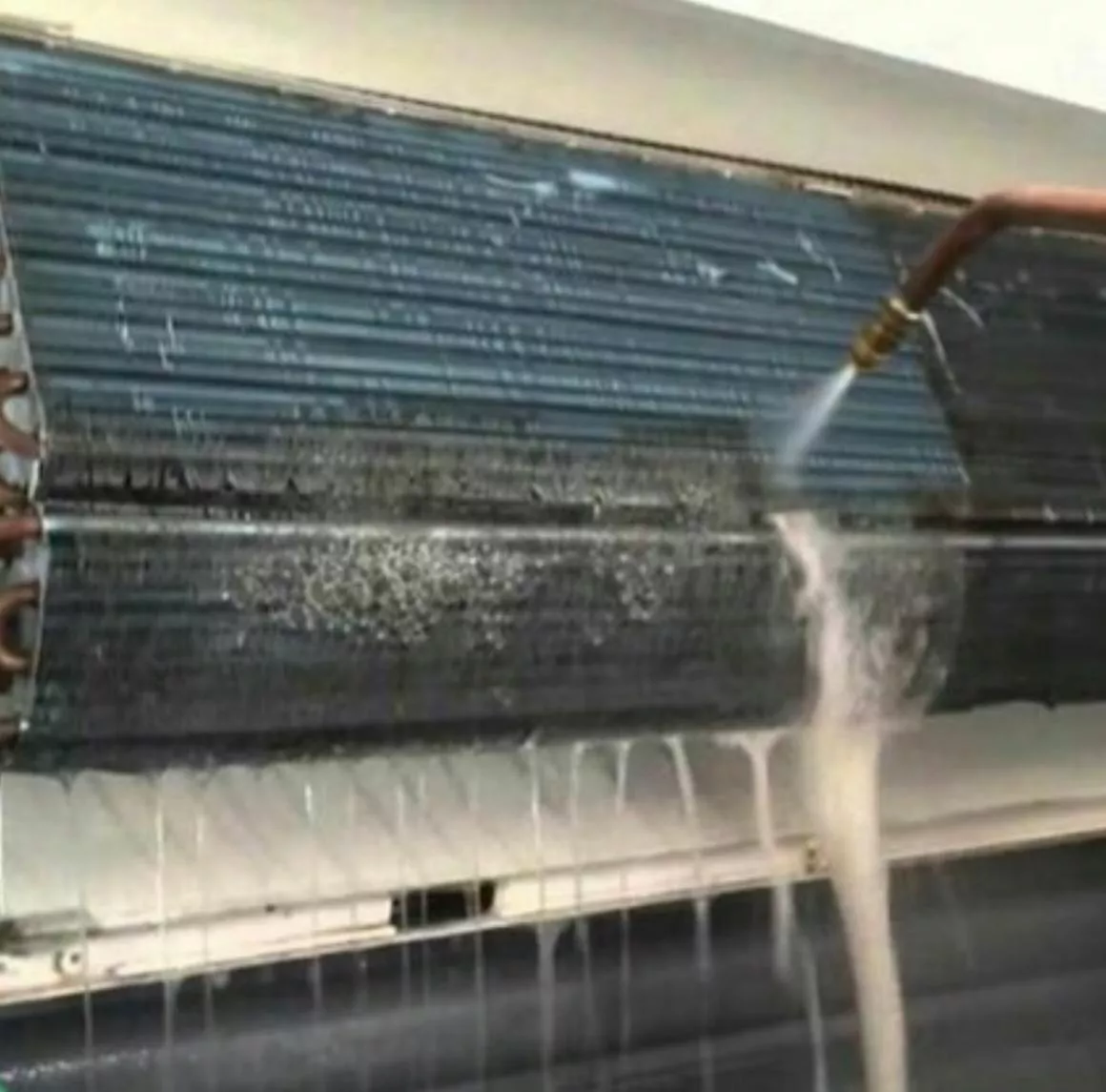
- Every 12–18 months: Chemical overhaul if you notice weak airflow, water leaks, or musty smell. Evaporator coil flush with alkaline cleaner, blower wheel deep-clean, drain pipe jet-flush. Cost: $120–$180 per unit.
- Every 3–5 years: Inspect outdoor condenser coil (especially coastal units). If corroded or clogged with dust, chemical wash the outdoor unit ($100–$150).
- Refrigerant top-up only when needed: If cooling degrades and pressure gauge shows low side <4.2 bar (R32) or <8 bar (R410A), you have a leak. Top-up without fixing the leak is a $100 band-aid that lasts 6–12 months. Proper fix: nitrogen pressure test, locate leak, re-weld or replace pipe section, vacuum, refill ($250–$600 depending on location).
Starmex self-diagnostic codes (flashing LED on indoor unit) are more granular than budget brands, helping technicians pinpoint faults faster — saves you a call-back visit. Common codes: E3 (high-pressure trip, dirty condenser), E6 (outdoor PCB fault), E7 (fan motor failure). Always note the code before calling; good contractors will ask.
Frequently Asked Questions
Does Starmex qualify for Climate Voucher rebates in 2025?
Yes, if the model carries 4 ticks or above under the NEA Energy Label scheme. Most Starmex inverter units (MS-JP, MS-GK series) qualify. The Climate Voucher programme has been extended with $300 rebate per household for eligible aircon purchases installed by registered retailers. Check the model's tick rating on the NEA website and confirm your installer is registered before deposit. aircons.sg can advise on voucher eligibility when you WhatsApp for a quote.
Can I install Starmex myself to save money?
Technically possible if you hold PUB and BCA licenses for refrigerant handling and electrical works, but not advisable. Improper flaring, under-torqued fittings, or incorrect vacuum procedure will cause refrigerant leaks within 6–18 months, voiding the 5-year compressor warranty. Installation labour is $150–$200; the risk of a $400 compressor replacement far outweighs the saving. Use an authorised Mitsubishi Electric dealer or an experienced independent (aircons.sg has 12+ years installing Starmex across HDB and condos).
How much does Starmex cost to run per month in Singapore?
A 12,000 BTU Starmex inverter (MS-JP13VF) draws 800–900 W peak, modulating to 200–350 W during steady-state. Running 8 hours/day at average 500 W = 4 kWh/day × 30 days × $0.30/kWh ≈ $36/month. A non-inverter equivalent at 1,100 W constant (cycling 50% duty) = 4.4 kWh/day ≈ $40/month. Savings modest per month but compound to $50–$70/year; inverter's real win is comfort (no temperature swings) and compressor longevity.
Why is Starmex more expensive than Mitsubishi Heavy Industries (MHI)?
Mitsubishi Electric and Mitsubishi Heavy Industries are separate companies. Starmex (Mitsubishi Electric) uses in-house DC inverter compressors and targets the premium-consumer segment; MHI products in Singapore are often rebadged or use third-party compressors, positioned lower. Confusingly, MHI units sometimes cost more due to import duties on certain SKUs. Always compare model specs (compressor type, coil coating, tick rating) rather than brand name alone.
Will servicing Starmex twice a year really extend lifespan to 15 years?
Field data from Singapore service centres shows that Starmex inverter units serviced every 6 months average 13–15 years before compressor failure, versus 8–10 years when serviced annually or neglected. The mechanism: regular cleaning prevents evaporator icing (which forces compressor overwork), keeps drain clear (avoiding water damage to PCB), and catches refrigerant leaks early. One chemical overhaul and two standard services per year cost $200–$250 total; over 15 years that's $3,000–$3,750 versus $1,200–$1,500 over 8 years for a neglected unit that dies early. Servicing is insurance, and Starmex hardware rewards it.
Ready to Install or Service Your Starmex?
Whether you're comparing quotes for a new Starmex inverter, need a second opinion on a dealer's all-in price, or want to book standard servicing or chemical overhaul for your existing unit, aircons.sg delivers transparent pricing and same-day service across Singapore. Every service booking (from $55 for 1 unit) includes our 9-point pre-check — we inspect refrigerant pressure, electrical connections, drain flow, coil condition, and more, then quote any additional work honestly. No hidden fees; quoted prices are final. WhatsApp us at +65 9107 2601 with your unit's model number, location (HDB/condo/landed), and we'll reply with a clear breakdown within the hour. Our technicians are the same people who write these guides — you get advice from people who actually do the work, not a call-centre script.