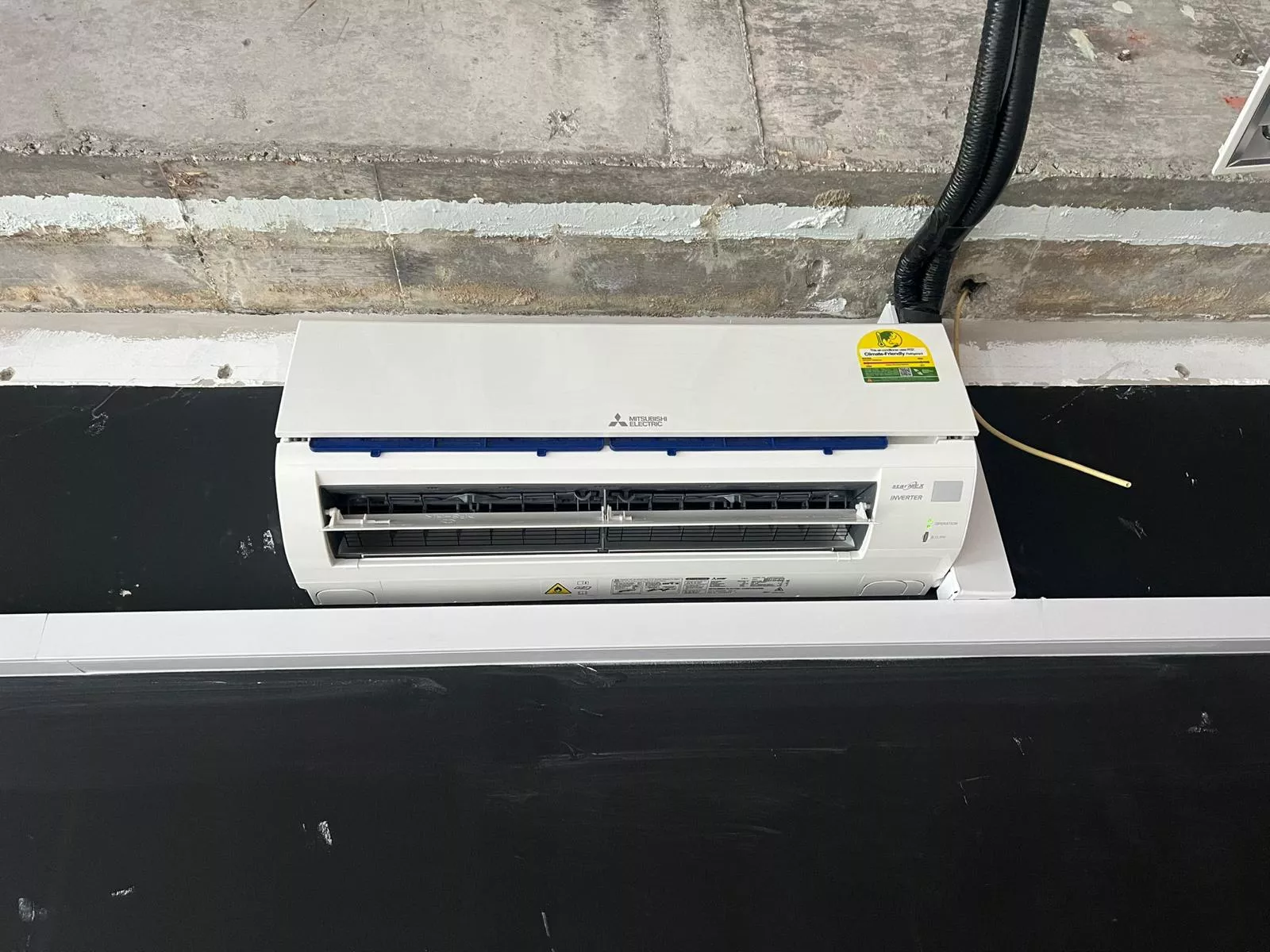
A musty smell from your aircon means bacteria, mould, or mildew growing on wet evaporator coils, blower fan, or drain pan. In Singapore's 80%+ humidity, these organisms thrive in dark, damp spaces. Fix it permanently with a chemical wash (from $135 per unit) or chemical overhaul (from $200 per unit) to remove biofilm, paired with quarterly servicing to prevent recurrence. Standard servicing alone won't eliminate established colonies—you need chemical treatment and proper drainage.
Why Singapore Aircons Smell Musty: The Root Causes
Musty odours come from microbial growth on wet surfaces inside your aircon. Here's what's actually happening:
1. Wet Evaporator Coils
Your evaporator coil condenses moisture from indoor air—design function, not a fault. In Singapore's humidity, a single aircon can pull 1–2 litres of water per day. If the coil stays wet between cycles (because dust blocks airflow or the fan speed is too low), bacteria and mould colonise the aluminium fins. The smell is their metabolic byproduct.
2. Clogged or Slow Drain Lines
Condensate drains through a PVC pipe to the outside or a shared stack. When algae, dust, or biofilm accumulate in the pipe, water pools in the drain pan. Stagnant water = ideal breeding ground. HDB and condo units often share drain stacks; if a neighbour's blockage causes backflow, your pan floods even if your pipe is clear.
3. Dirty Blower Fan and Housing
The blower wheel sits behind the filter. Dust that bypasses the filter sticks to the wheel's curved blades, trapping moisture. Over months, this becomes a fuzzy grey mat of mould. Every time the fan spins, spores blow into your room.
4. Infrequent or Incomplete Servicing
Wiping visible parts and rinsing filters isn't enough. Standard servicing (water-rinse only) removes surface dust but doesn't kill embedded colonies or dissolve biofilm. If you've only done standard servicing for 18+ months, you likely have growth deep in the coil matrix.
How to Fix Musty Aircon Smell: Treatment Options
Three escalating solutions, depending on severity. We see these outcomes daily across Singapore installs:
| Treatment | What It Does | Typical Cost (SGD) | When to Use |
|---|---|---|---|
| Standard Servicing | Water rinse coils, clean filter, check drainage, top up pan treatment | $55 for 1 unit | Mild smell, recent service (<3 months ago), preventive maintenance |
| Chemical Wash | Dismantle cover, soak coil + fan in alkaline cleaner, pressure rinse, flush drain | from $135 per unit | Persistent musty smell, visible mould on blower, 6+ months since last service |
| Chemical Overhaul | Remove entire evaporator assembly, soak in chemical bath, dismantle blower, clean drain pan housing | from $200 per unit | Strong smell even after chemical wash, water leaks, >2 years no service, heavy smoker household |
Why Chemical Wash Works (and Water Rinse Doesn't)
Mould roots penetrate between aluminium fins. Alkaline chemical (pH 11–13) dissolves the biofilm matrix and kills spores. Water alone, even high-pressure, just pushes surface debris around. Chemical also emulsifies nicotine, cooking oil vapour, and other sticky residues that trap moisture.
Timeline and What Happens During Chemical Treatment
Expect 60–90 minutes per unit for chemical wash, 90–120 minutes for overhaul. The technician will:
- Wrap the wall and floor with plastic sheeting (chemical runoff is alkaline and can stain)
- Remove the front cover, filter, and blower assembly
- Spray chemical onto coil and fan, let it dwell 10–15 minutes
- Pressure-rinse with water (runoff goes into drain pan, out the drain line)
- Flush drain line with water + mild acid to clear biofilm in pipe
- Reassemble, test cooling, check for leaks
Smell should be gone immediately. If a faint odour persists after 24 hours, it's either incomplete treatment (tech missed the drain pan) or external—check nearby drains, wet curtains, or carpet mould.
Prevention: Stop Musty Smell From Coming Back
Chemical wash fixes the current problem; servicing schedule prevents recurrence. Here's the sustainable routine we recommend based on usage:
| Usage Pattern | Standard Servicing Interval | Chemical Wash Interval |
|---|---|---|
| 8+ hours/day (bedroom, living room) | Every 8–10 weeks | Every 12 months |
| 4–8 hours/day (study, occasional bedroom) | Every 12 weeks | Every 18 months |
| <2 hours/day (guest room, storeroom) | Every 16 weeks | Every 24 months or as needed |
| Commercial (shop, office—10+ hrs/day) | Every 6 weeks | Every 9–12 months |
Between-Service Actions You Can Take
- Run fan mode for 30 minutes after cooling: Dries the coil, reduces moisture. Most Daikin, Mitsubishi, and newer Samsung units have an 'Auto Dry' function that does this automatically.
- Clean or replace filter every 4 weeks: Less dust on coil = less surface area for mould. Reusable filters should be rinsed, dried completely (6+ hours), then reinstalled.
- Check drain outlet monthly: HDB: look for the small pipe exiting your external wall. Condo: check the shared AC ledge if accessible. If water drips continuously when aircon is off, pipe is clogged.
- Keep indoor humidity below 70%: Use a dehumidifier in bathrooms and kitchens. Mould spores are everywhere; controlling moisture stops them germinating on your coil.
The Drain Pan Treatment Myth
Some servicing companies drop blue tablets into the drain pan, claiming they prevent smell. Reality: these tablets are mild algaecides (copper sulfate or quaternary ammonium). They slow algae growth in the pan, but do nothing for mould already on the coil. They're a helpful extra after chemical wash, not a substitute.
Common Mistakes That Make the Smell Worse
Using DIY Aircon Cleaning Sprays
Retail 'aircon cleaner' aerosols (available at hardware stores, $8–$15) coat the coil with a thin layer of chemical, but you can't rinse it properly without dismantling the unit. Residue traps more dust. We've opened units where DIY spray created a gummy paste on the blower—required full overhaul to fix.
Ignoring the Outdoor Condenser
The condenser (compressor unit outside) doesn't cause musty smell directly, but a dirty condenser reduces cooling efficiency. Weak cooling = longer run times = more condensation = wetter coil. Servicing should include hosing down the condenser fins. For high-floor condos (above 15th storey), MCST approval and gondola access may be required; this is quoted separately if an external contractor is needed.
Setting Temperature Too Low
Running your aircon at 16–18°C doesn't 'freeze out' mould—it just makes the coil even wetter. Optimal for Singapore is 24–25°C. The coil will still condense moisture (that's unavoidable), but cycling on/off allows brief drying periods.
Delaying Service Because 'It Still Cools'
Cooling performance and hygiene are separate issues. A filthy aircon can still produce cold air while blowing mould spores into your lungs. By the time you smell mould, the colony is established. Servicing is health maintenance, not just performance maintenance.
When to Replace Instead of Repair
If your aircon is 12+ years old, has had recurring mould issues despite regular chemical washes, and uses R22 refrigerant (phased out; aircons.sg tops it up at a flat $115 per outdoor circuit, and gas is increasingly scarce), replacement is more economical than repeated overhauls. New inverter models (R32 refrigerant) are 30–40% more energy-efficient and have better moisture management (auto-dry, anti-bacterial coatings on premium units).
New single-split installation starts at $1,200, including standard bracket, piping, and trunking. Extended piping to reach the permitted condenser location (must be within your aircon ledge or external wall bracket, per HDB guidelines) is quoted after the free site survey.
aircons.sg Pricing for Musty Smell Treatment
Transparent pricing for the most common fixes. No hidden charges—the price you see is what you pay.
- 9-point pre-check included with any service booking: $55 for 1 unit. Covers the visit, inspection (coil condition, drainage, refrigerant pressure, electrical connections, thermostat calibration, blower function, filter state, unusual noise, error codes), plus standard servicing (if that's all you need).
- Standard servicing (if pre-check shows light dirt only): $55 for 1 unit ($90 for 2, $120 for 3, $160 for 4, $35 per unit from 5).
- Chemical wash (for confirmed mould/musty smell): from $135 per unit. Includes coil soak, blower clean, drain flush. Quoted after pre-check confirms it's needed.
- Chemical overhaul (severe cases): from $200 per unit. Full dismantle, soak, and rebuild. Recommended if smell persists after previous chemical wash or if water leaks are also present.
- Drain line clearing (standalone, if blockage is isolated): quoted after the 9-point pre-check (see our price list). Includes flushing with pressurised water and mild acid.
If the technician finds you need a chemical wash after the pre-check, the $55 is part of the total—you're not paying twice. If you decline the recommended work, the $55 covers the visit and diagnosis.
If the smell gets worse in the wet months, see what dry mode can and cannot do in the rainy season.
Frequently Asked Questions
Can I remove musty smell without chemical wash?
If the smell is very mild and you last serviced within 6–8 weeks, a thorough standard servicing (with extra attention to blower and drain pan) plus running fan mode for 30 minutes daily might resolve it. Once mould is established—visible dark spots, persistent smell—you need chemical treatment. Water rinse alone doesn't kill spores or remove biofilm.
How long does chemical wash take, and will my home smell of chemicals afterward?
60–90 minutes per unit. The alkaline cleaner has a sharp, soapy smell during application, but it's rinsed away completely. Your room will smell neutral (or slightly of wet metal) immediately after. No lingering chemical odour if the job is done properly. Open windows for 15 minutes post-service to air out residual moisture.
Why does the smell come back after a few months, even after chemical wash?
Three causes: (1) You skipped follow-up servicing—mould re-establishes in 10–14 weeks without maintenance. (2) The drain line is still partially clogged, so water pools. (3) Your indoor environment is extremely humid (e.g., bathroom aircon, kitchen install) and moisture exceeds the coil's drying capacity. Solution: quarterly servicing, check drain flow, consider a standalone dehumidifier for high-moisture rooms.
Is musty aircon smell harmful to health?
Yes. Mould spores (Aspergillus, Cladosporium, Penicillium species common in Singapore aircons) trigger allergic rhinitis, asthma exacerbations, and chronic sinus infections. Infants, elderly, and immune-compromised individuals are higher risk. Bacterial endotoxins from biofilm cause inflammatory responses even in healthy adults. It's not just unpleasant—it's a genuine indoor air quality hazard.
Can I prevent mould by leaving the aircon on 24/7?
Continuous operation doesn't prevent mould; it just keeps the coil wet continuously. Better strategy: run cooling as needed, then switch to fan mode for 20–30 minutes before turning off. This dries the coil surface. Inverter aircons that modulate compressor speed (rather than cycling on/off) actually maintain more consistent humidity control, reducing condensation spikes.
Fix Your Musty Aircon Smell Today
Musty smell means you're breathing mould spores every time your aircon runs—not something to ignore or mask with air freshener. A proper chemical wash removes the root cause and restores healthy indoor air. At aircons.sg, every job starts with a 9-point pre-check (included with your $55 service booking) so you know exactly what's needed and what it costs—no surprises, no add-ons. We're available same-day across Singapore, and all work is backed by a 90-day workmanship warranty. WhatsApp us at +65 9107 2601 with your unit count and we'll quote you transparently. Book now and breathe cleaner air tonight.